Applications

Common industrial operations such as welding, sanding, painting, laser cutting and CNC machining generate dangerous smoke, dust and fumes. Are your workers protected?

Capture at Source

Solutions by Process

One size never fits all. Select your process to see how contaminants are captured before they reach the operator's breathing zone.

Images are illustrative and may show related filtration equipment rather than the process itself; they are not photographs of Yuchuan customer installations.

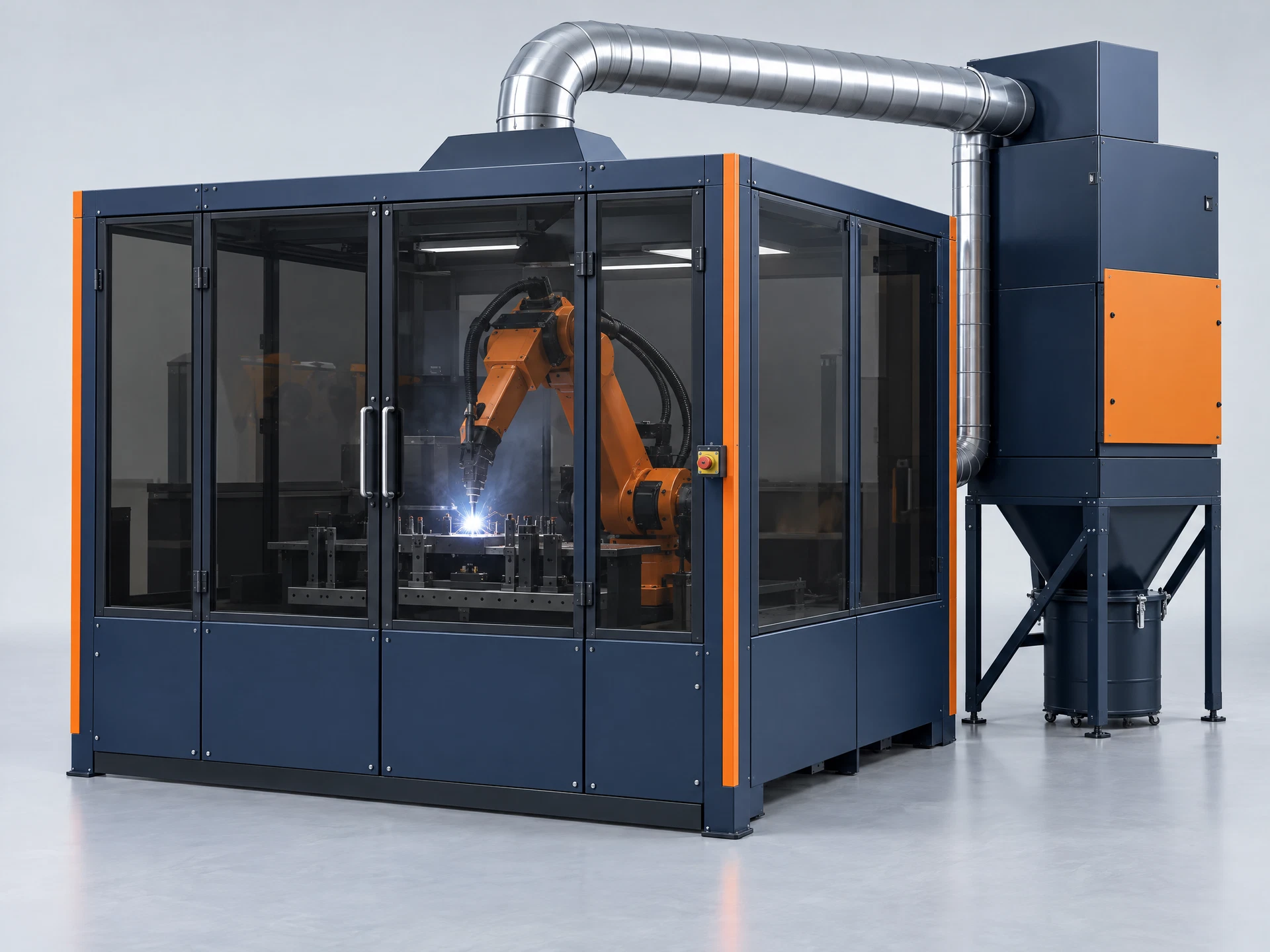
Illustrative industrial filtration visual for Welding & Thermal Cutting; not a photograph of a Yuchuan customer siteIllustrative image · not a customer installation

Welding & Thermal Cutting

Welding and thermal cutting can release particulate fume and process-dependent gases. Review materials, coatings, hood placement and exhaust treatment together; particulate filtration does not by itself control every gaseous contaminant.
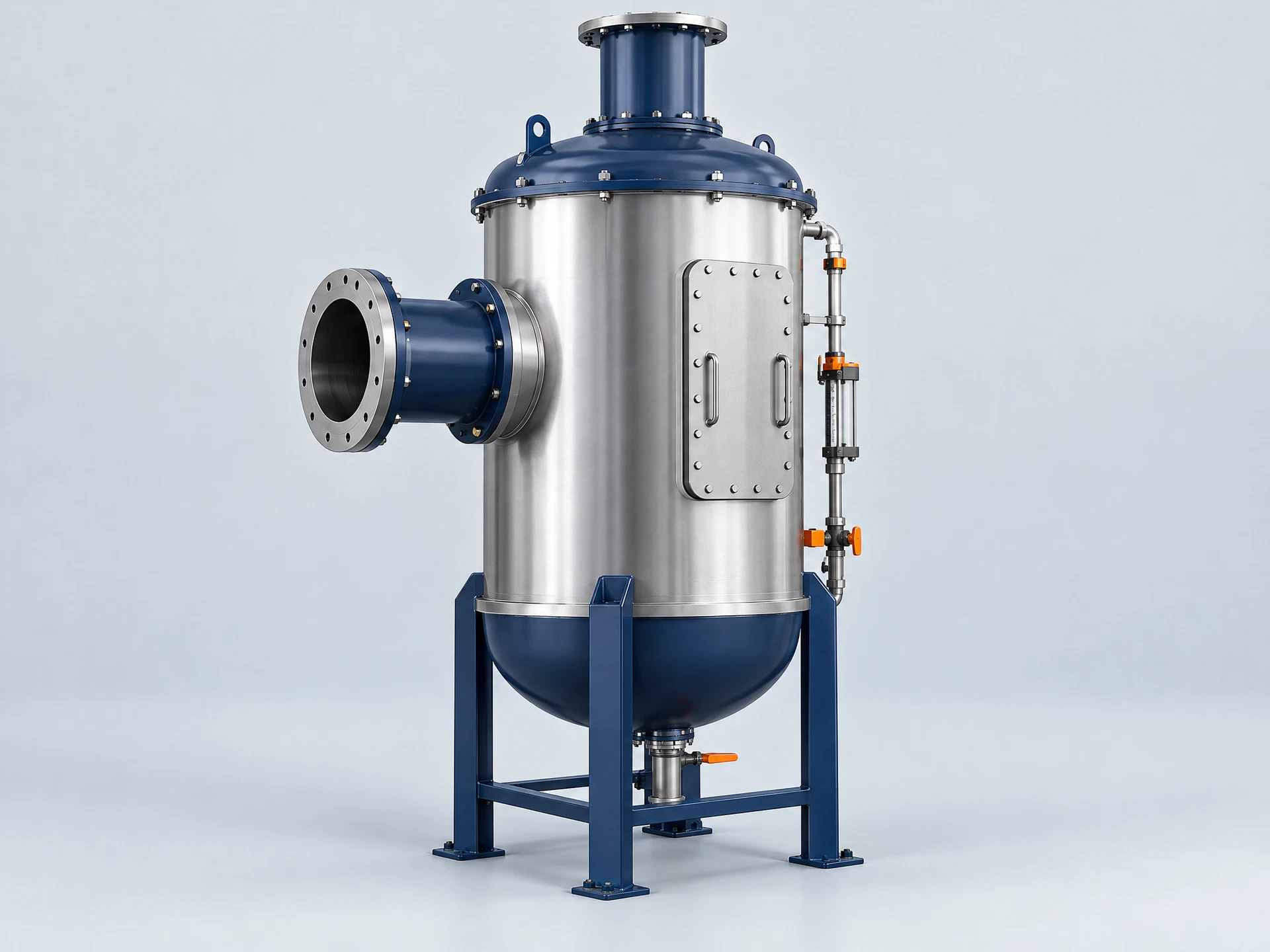
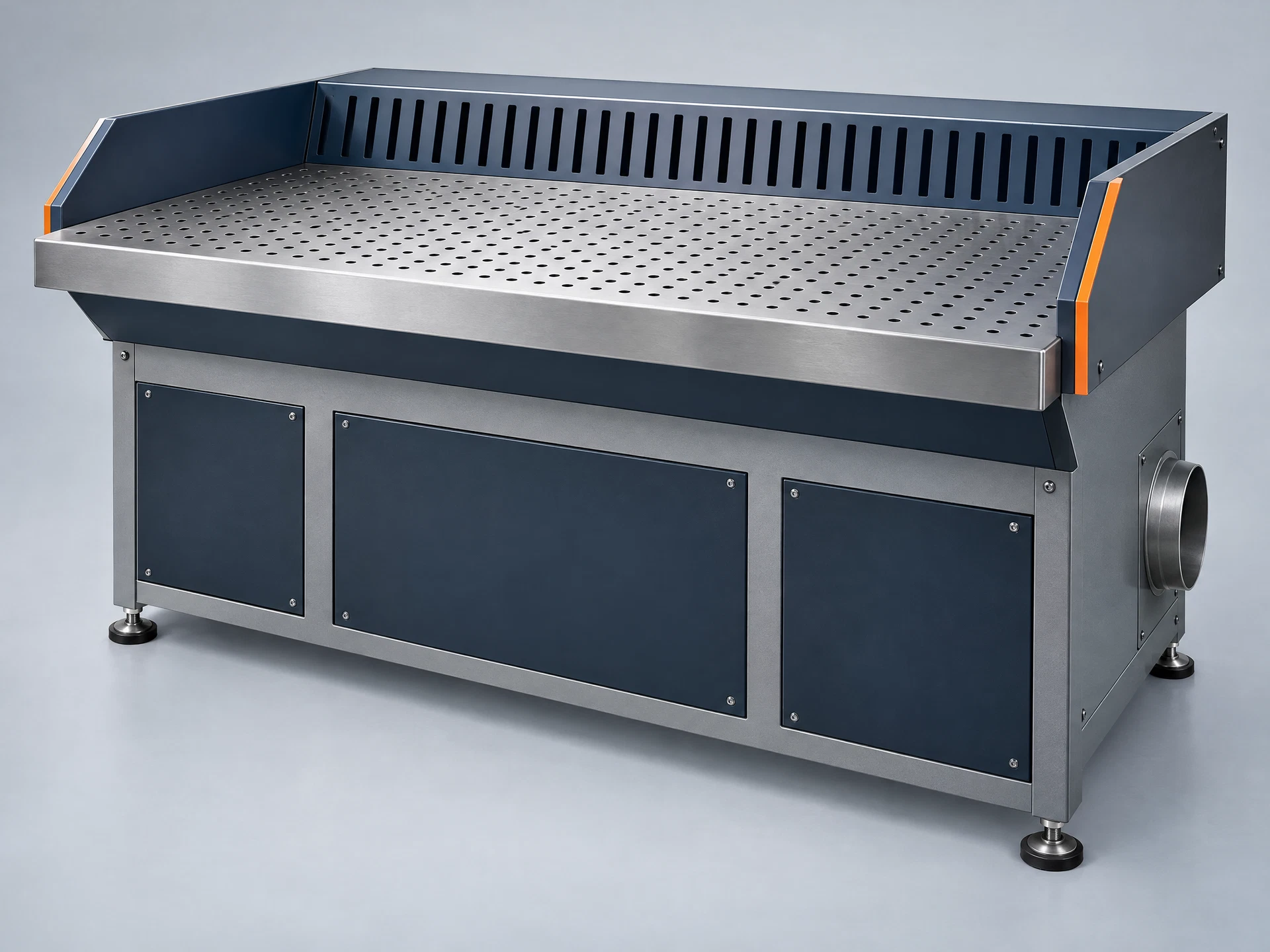
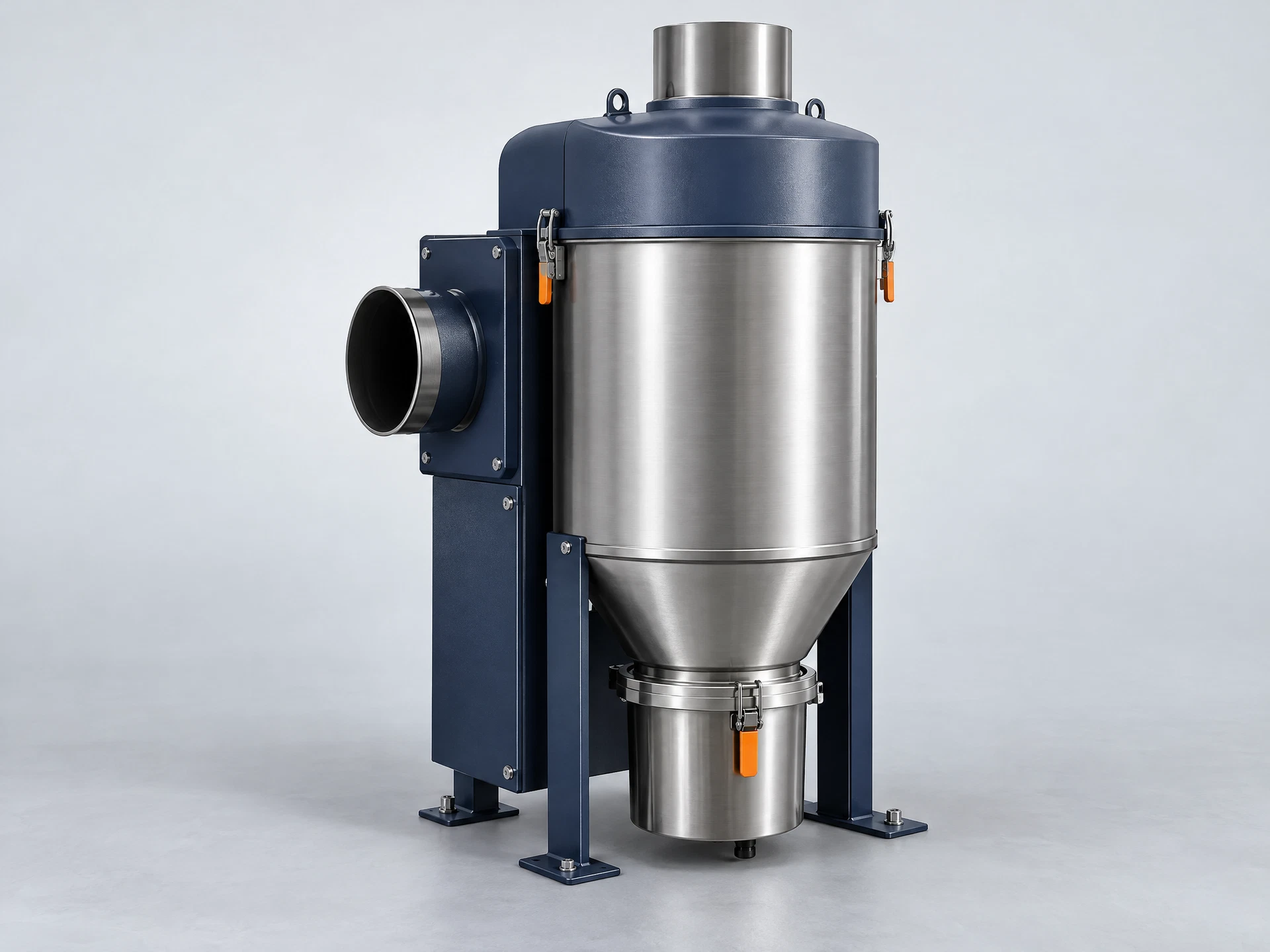
Illustrative industrial filtration visual for Grinding & Deburring; not a photograph of a Yuchuan customer siteIllustrative image · not a customer installation

Grinding & Deburring

Grinding and deburring can generate respirable and potentially combustible dust. Select wet or dry collection only after assessing the actual material, water reactivity, ignition sources, equipment location and residue handling with qualified specialists.

Illustrative industrial filtration visual for Sanding & Surface Finishing; not a photograph of a Yuchuan customer siteIllustrative image · not a customer installation

Sanding & Surface Finishing

Finishing dust can spread beyond the workstation. Assess source-capture geometry, dust characteristics, filtration and housekeeping together, including any combustible-dust or mixed-material hazards.

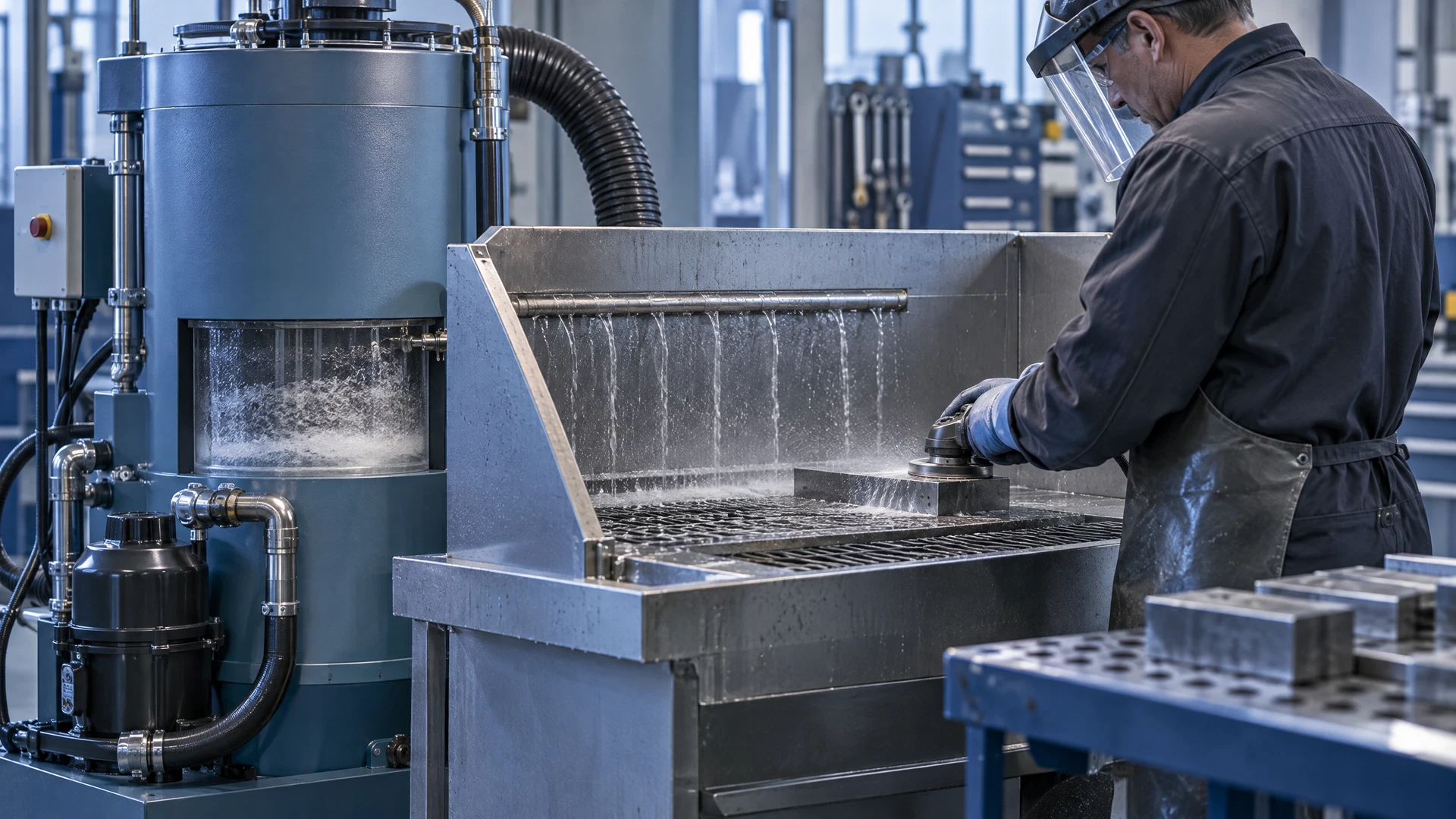
Illustrative industrial filtration visual for CNC Machining & Oil Mist; not a photograph of a Yuchuan customer siteIllustrative image · not a customer installation

CNC Machining & Oil Mist

Machining may produce coolant mist, oil smoke and process-dependent vapours. Mist separation and gas-phase treatment are different duties; confirm the fluid composition, operating conditions and exhaust requirements before choosing equipment.

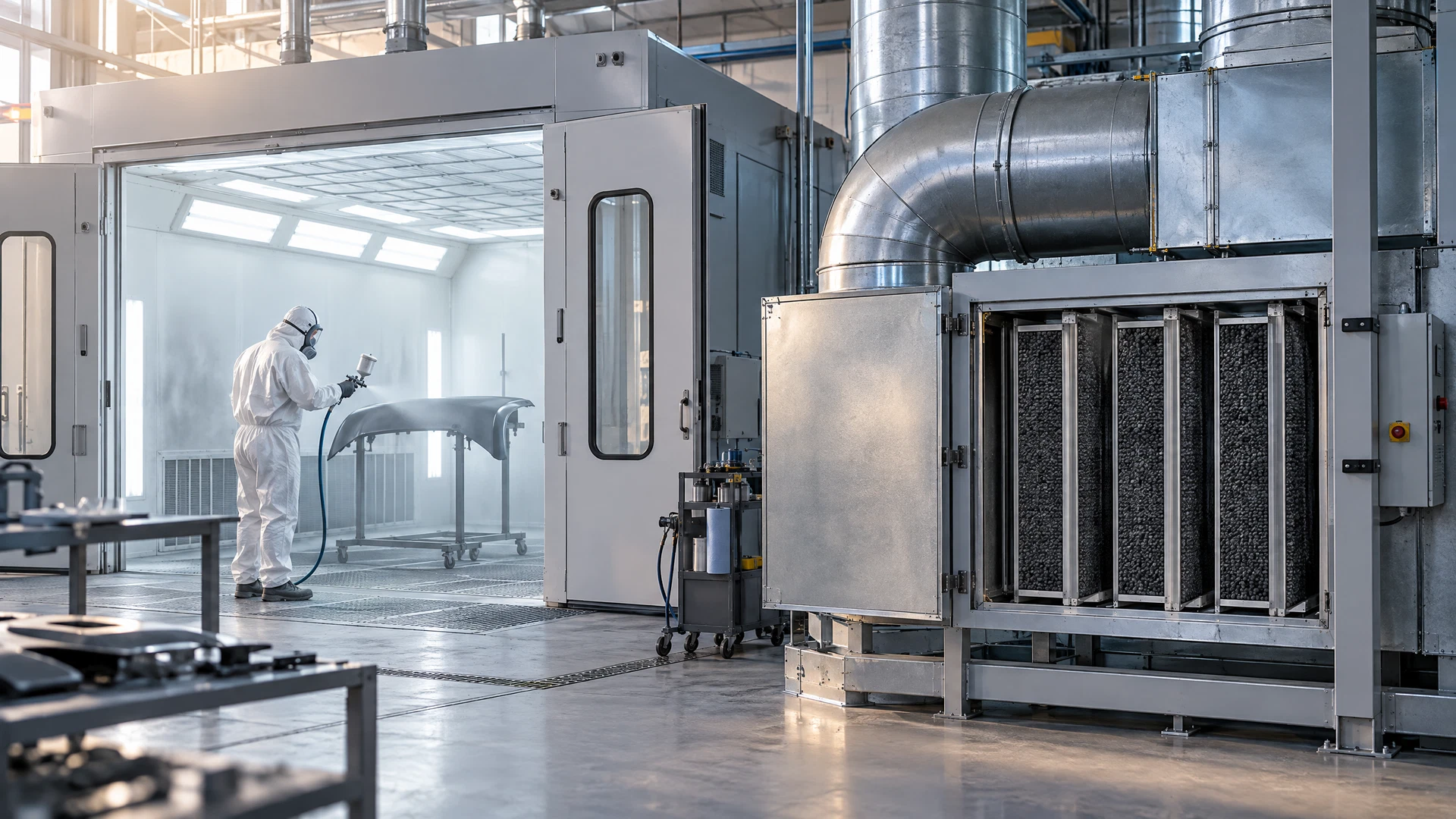
Illustrative industrial filtration visual for Painting, Coating & VOC; not a photograph of a Yuchuan customer siteIllustrative image · not a customer installation

Painting, Coating & VOC

Paint overspray and solvent vapours require different treatment approaches. Review source capture and particulate separation separately from VOC adsorption, recovery or oxidation; composition and operating conditions determine suitability.

Illustrative industrial filtration visual for Additive Manufacturing & 3D Printing; not a photograph of a Yuchuan customer siteIllustrative image · not a customer installation

Additive Manufacturing & 3D Printing

Powder handling and post-processing can release fine particulate. Metal powders may be combustible or water-reactive. Assess the specific powder, ignition controls, capture arrangement and residue handling; a cartridge or HEPA filter alone does not establish safe system suitability.

How We Work

From Process Review to Clean Air

STEP 01

Process Review

We map your materials, capture points, duty cycle and site constraints.

STEP 02

Airflow Design

Engineers calculate capture velocity, duct losses and required filtration stages.

STEP 03

Manufacturing

Equipment is built, tested and documented to the agreed configuration.

STEP 04

Delivery & Support

Export packing, commissioning guidance, spare parts and lifetime technical support.

Discuss Your Application

Describe your process and we will recommend the most effective capture-at-source configuration.

Talk to an Engineer
Buyer Questions

Frequently Asked Questions

What is capture-at-source filtration and why does it matter?

Source capture uses a hood, arm or enclosure to intercept contaminants close to their point of generation, before they spread through the work area. Effectiveness depends on hood geometry, position, airflow, cross-drafts and the process. It is not a blanket guarantee of exposure control or energy savings; see our source-capture engineering guide for the design questions to review.

What is the difference between a fume extractor and an ambient air cleaner?

A fume extractor uses a hood or arm to capture emissions near a process, while an ambient cleaner treats residual particulate after it has dispersed. Ambient treatment may supplement source capture, but is not a substitute for it. Confirm contaminants, filter capability and the exhaust or recirculation path for the actual installation.