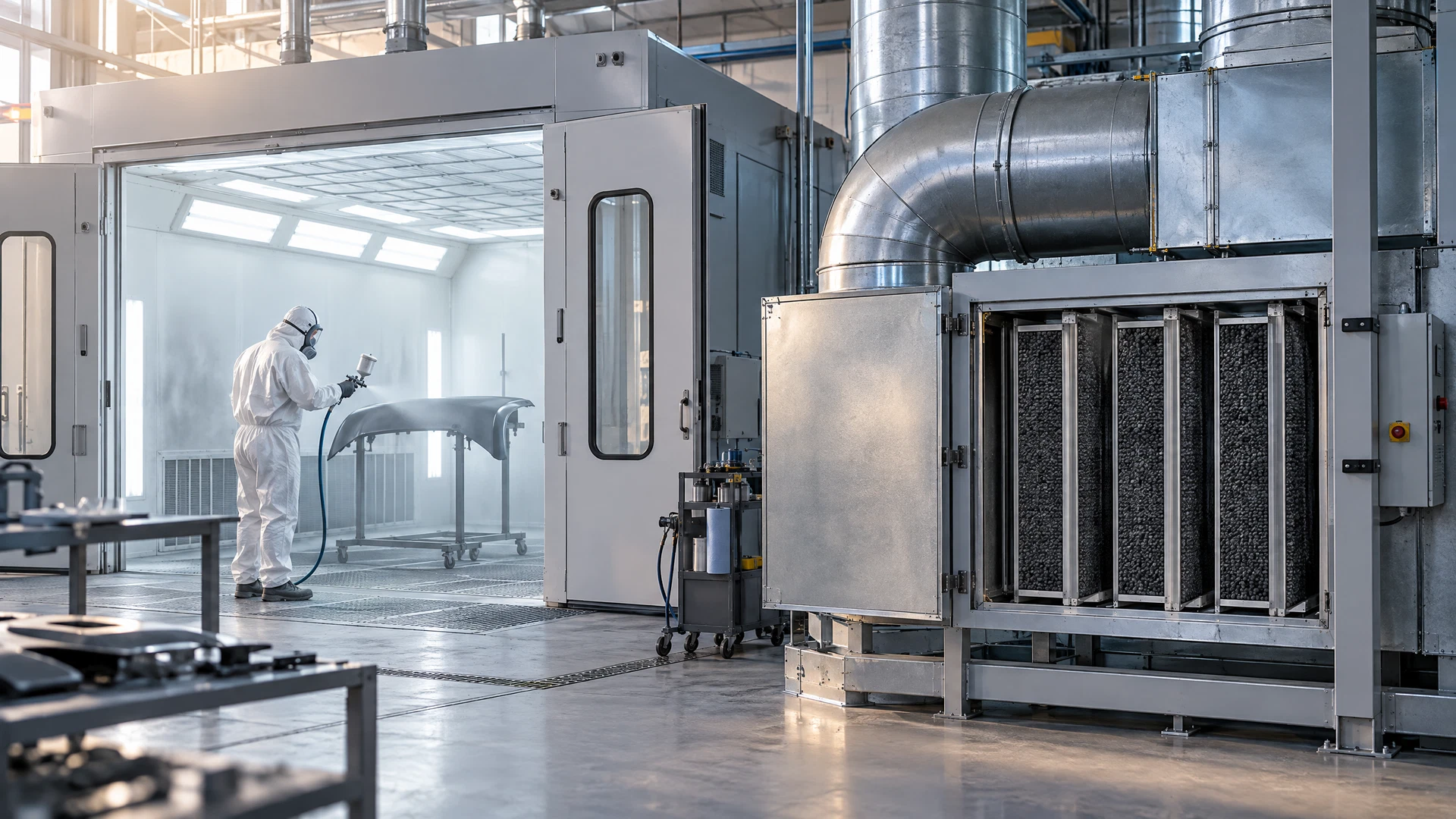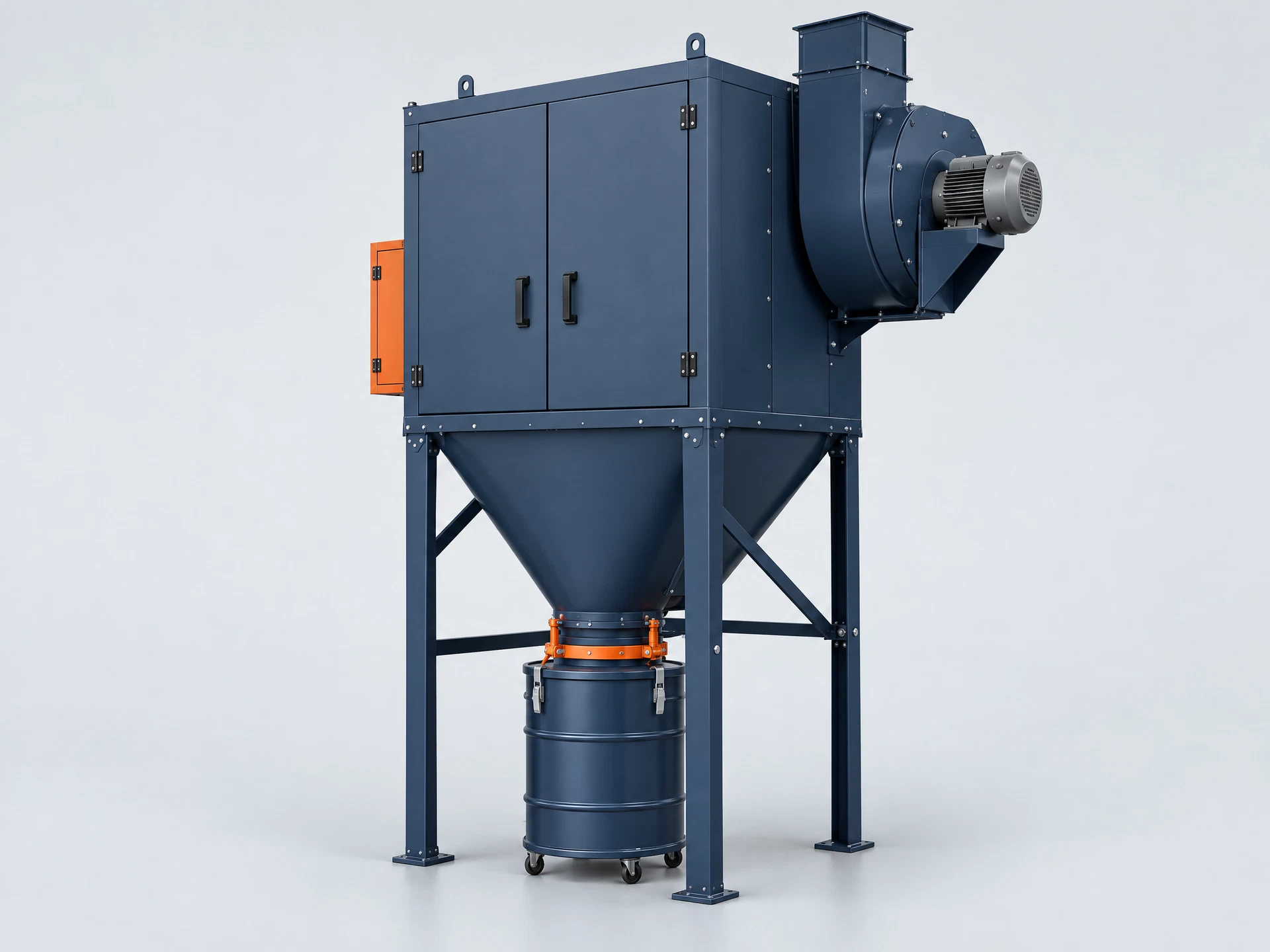
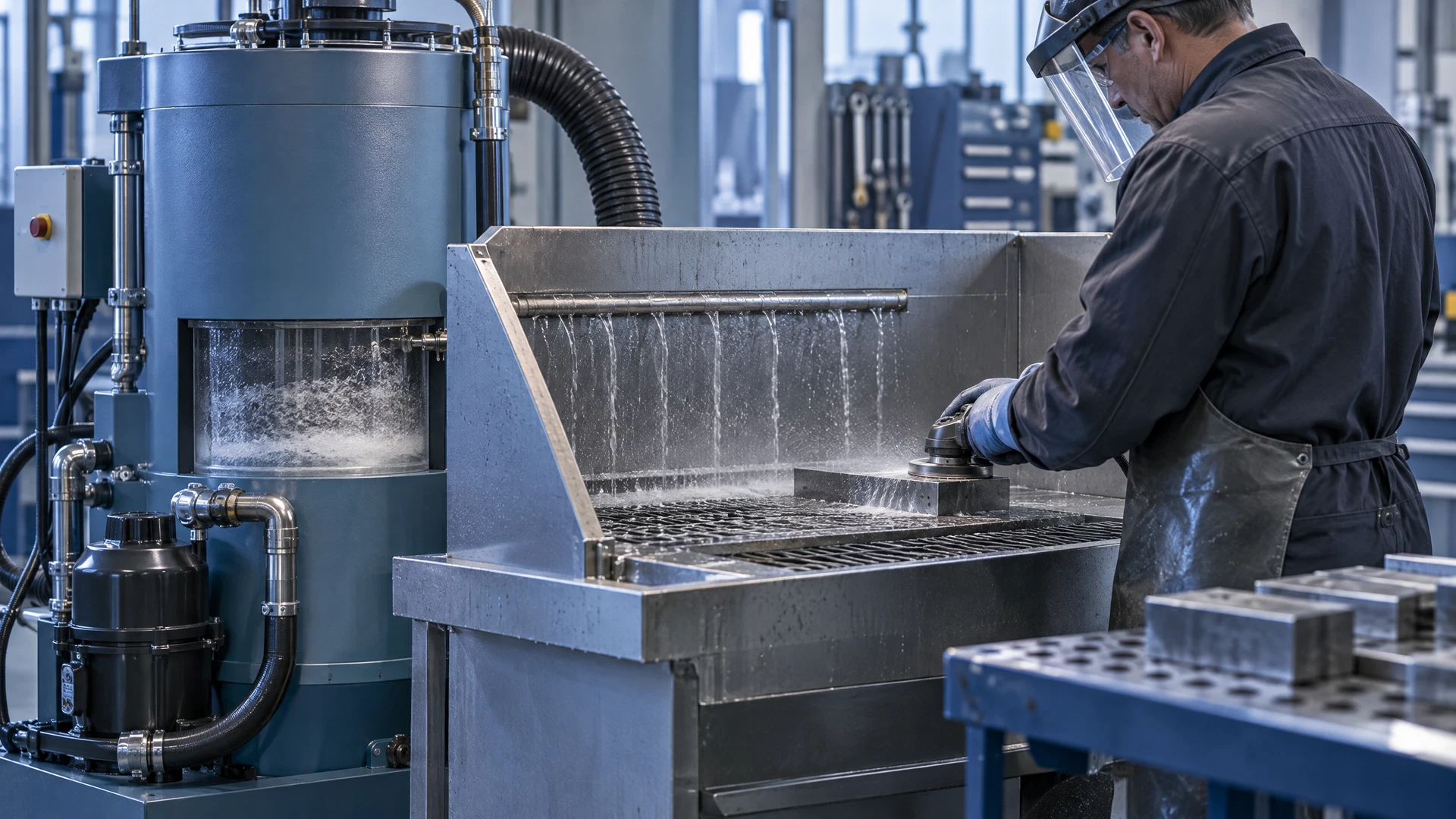
Fine combustible dust is not just an issue for large explosions. Material can accumulate inside a process, in ducts or on hidden surfaces and then be dispersed by cleaning, vibration or maintenance. Metals bring additional questions: particle form and process conditions matter, and some powdered metals can react with water or moisture.
Start with the actual dust
Do not make a collector decision from a broad material label such as “aluminium” or “metalworking dust.” Particle size, shape, coatings, moisture and the way a process generates and handles fines can affect the hazard. OSHA's combustible-dust guidance discusses representative sampling and testing because hazard characteristics can differ between locations and dust samples. A Safety Data Sheet is useful background, but it does not necessarily provide every parameter needed for a collector or explosion-protection design.
Ask a competent safety or process specialist to identify what dust is present, whether mixtures or contaminants are possible, and whether combustibility or explosibility testing is needed. The OSHA Technical Manual on combustible dust is technical guidance for hazard review; it is not a product approval or a substitute for local requirements.
Why can water introduce a hazard?
Some metal powders can react with water or moisture and release hydrogen, a flammable gas. The risk depends on the material and conditions; do not assume every alloy or process residue behaves the same way. The Aluminum Association's guidance focuses on aluminum fines and describes hydrogen generation and controls in that specific context. It should not be repurposed as a universal recipe for other metals.
Wetting also does not establish that collected material is harmless. Sludge may contain concentrated fines. Deposits may dry in a duct or downstream space. Storage, removal and disposal need to reflect the material's chemistry and applicable rules. Do not call a wet residue inert solely because water is present.
What can wet collection do—and what can it not prove?
Depending on the material and design, wet capture may reduce the dust-cloud mechanism present in some dry collectors. That is one possible control effect, not a conclusion that the complete system is safe. The complete design still needs review of the dust, liquid, hydrogen management where relevant, ignition sources, ventilation, exhaust, leakage, deposits, sludge, cleaning and failure modes.
Dry cartridge systems have their own considerations, including dust accumulation, collector location and explosion protection. Wet and dry technologies should not be treated as a simple “safe versus unsafe” pair. OSHA's Combustible Dust National Emphasis Program and the Aluminum Association guidance offer prompts for competent review; neither confirms a Yuchuan unit or a site design.
How should housekeeping and maintenance be planned?
Look for dust in less visible places as well as on floors and equipment. Cleaning methods should avoid raising dust into the air. A method suitable for one material may be hazardous for another, especially if water compatibility is uncertain. A maintenance plan should state how the collector, ducts, discharge, capture points and residue are inspected, who is qualified to do the work, and what precautions apply before opening equipment.
There is no universal cleaning interval or accumulation threshold that fits every material and facility. Base frequency on the risk assessment, observed accumulation, the equipment manufacturer's instructions, process changes and applicable local requirements. If the dust or residue is not characterized, pause before selecting a collector or writing a routine that assumes it is safe.
What should a buyer verify before specifying a system?
- Identify the process, material grades, coatings, fines and any mixed streams; arrange appropriate sampling or testing where required.
- Document sparks, hot particles, flammable-gas potential, capture points, duct routes and likely accumulation areas.
- Ask a qualified reviewer to assess collector placement, explosion protection, isolation, exhaust and building interfaces.
- Define safe removal, storage and disposal of dry dust, wet sludge and any spent liquid.
- Ask for the design basis, operating instructions, maintenance scope and service requirements for the actual project.
Bottom line: wet collection may be part of a material-specific control strategy, but water is not a blanket safeguard. Characterize the dust and assess the entire collection and residue-handling system before choosing equipment. For a side-by-side decision framework, read cartridge versus wet dust collection.